Resposta rápida
A cobertura de seguro para o Wegovy varia drasticamente consoante o plano. Muitos planos comerciais da UnitedHealthcare, Aetna, Blue Cross Blue Shield, Cigna e Anthem cobrem o Wegovy para perda de peso quando os critérios de autorização prévia são cumpridos — tipicamente um BMI de 30 ou superior (ou 27 com uma comorbilidade) mais tentativas de perda de peso documentadas. O Medicare não cobre o Wegovy para perda de peso, mas pode cobri-lo ao abrigo da indicação cardiovascular de 2024. O Medicaid cobre-o em cerca de 13 estados. O Tricare geralmente não o cobre para perda de peso. Se o seu plano recusar a cobertura ou excluir os medicamentos de perda de peso, as alternativas de pagamento a pronto são o programa direto da NovoCare de $499/mês e encomendar online na nossa farmácia parceira com o cupão WEGOVY2026 para 10% de desconto.
Vamos analisar de seguida todas as principais seguradoras — o que costumam cobrir, a documentação de autorização prévia que pedem e o que fazer se disserem não da primeira vez. As regras de cobertura mudam constantemente, por isso confirme sempre com o seu plano específico antes de tomar decisões. Nenhuma das informações aqui apresentadas é uma garantia de que um determinado plano cubra o Wegovy para um determinado doente.
A maioria dos planos de seguro cobre o Wegovy?
A resposta honesta é mais planos o cobrem do que há três anos, mas a cobertura continua inconsistente e cada vez mais difícil nalguns segmentos. Quando o Wegovy foi lançado em 2021, a grande maioria das seguradoras excluía os medicamentos de perda de peso enquanto categoria. Duas coisas mudaram desde então: a base de evidência clínica cresceu ao ponto de os medicamentos anti-obesidade serem cada vez mais tratados como padrão de cuidados, e a indicação cardiovascular da FDA de 2024 criou uma segunda via de cobertura que não depende de todo da exclusão da obesidade.
Ao mesmo tempo, a pressão de custos sobre os planos intensificou-se. O Wegovy e o Zepbound estão agora entre as principais categorias de despesa farmacêutica para muitos grandes empregadores. Alguns planos que costumavam cobrir o Wegovy generosamente acrescentaram desde então terapia por etapas, reduziram os limites anuais de quantidade ou retiraram totalmente a perda de peso do seu formulário. Ambas as direções estão a acontecer ao mesmo tempo.
Uma regra prática razoável para 2026:
- Planos comerciais de grandes empregadores: Cerca de 50-60% incluem o Wegovy no formulário, quase sempre com autorização prévia.
- Planos de pequenos empregadores e individuais de mercado: A cobertura é menos comum, talvez 30-40%, e as exclusões são mais frequentes.
- Medicare Advantage e Part D: Excluído para perda de peso; permitido apenas para a indicação cardiovascular.
- Medicaid: A cobertura existe em cerca de 13 estados para a obesidade; a maioria dos estados continua a excluir.
- Tricare: Geralmente não coberto para perda de peso.
- Planos de empregador autofinanciados (ERISA): Extremamente variáveis. Quem escolhe é o empregador, não a seguradora. Algumas empresas da Fortune 500 cobrem generosamente; outras excluem totalmente.
A coisa mais útil que pode fazer é ligar para o número de apoio ao membro nas costas do seu cartão de seguro e perguntar: "O semaglutido para gestão crónica do peso — Wegovy — está no meu formulário, e qual é o processo de autorização prévia?" Obtenha a resposta por escrito, se possível.
Cobertura do Wegovy por principais seguradoras
A tabela abaixo resume como as principais seguradoras dos EUA tratam tipicamente a cobertura do Wegovy. Lembre-se de que, dentro de cada seguradora, a política concreta depende do seu plano específico, do estado e (na cobertura patrocinada pelo empregador) das opções de desenho do plano do seu empregador.
| Insurance | Covered? | Prior auth | Notes |
|---|---|---|---|
| UnitedHealthcare | Varies by plan | Yes | Typically requires BMI ≥30 or ≥27 with comorbidity, prior weight loss attempt documentation |
| Aetna | Most commercial plans | Yes | Step therapy may be required (try another GLP-1 first) |
| Blue Cross Blue Shield | Varies by state/plan | Yes | Some plans exclude weight loss medications entirely — check formulary |
| Cigna | Select plans | Yes | Prior auth requires documented BMI and comorbidity |
| Anthem | Varies | Yes | Many Anthem plans require 6 months of lifestyle modification documentation |
| Kaiser Permanente | Limited | Yes | Coverage varies significantly by region; some regions exclude weight loss drugs |
| Humana | Select plans | Yes | Medicare Advantage plans typically do not cover weight loss medications |
| Medicare (Part D) | No (weight loss indication) | Yes | Medicare does not cover weight loss medications by statute. May be covered if prescribed for cardiovascular risk reduction in specific patients (FDA-approved 2024). |
| Medicaid | Varies by state | Yes | As of 2025, 13 states cover GLP-1s for obesity through Medicaid; rules vary |
| Tricare | No (weight loss only) | Yes | Tricare covers semaglutide for diabetes (Ozempic), generally not Wegovy for weight loss |
Seguem-se notas detalhadas sobre cada uma das principais seguradoras. Nenhuma destas descrições garante a cobertura no seu plano específico — descrevem os padrões típicos que observamos nos documentos de formulário, nos boletins de política dos planos e na experiência dos doentes no início de 2026.
UnitedHealthcare
UnitedHealthcare is the largest commercial health insurer in the US, and a large share of its commercial plans cover Wegovy. UnitedHealthcare typically lists Wegovy on Tier 3 (non-preferred brand) of its standard prescription drug list (PDL) and requires prior authorization through OptumRx, its in-house pharmacy benefit manager. Typical UHC criteria include a documented BMI of 30 or higher (or 27 with a weight-related condition), documentation of at least 6 months of diet and exercise attempts, and an attestation that the patient has no contraindications.
UnitedHealthcare commercial plans usually approve initial prior auth for 6 to 12 months, then require a reauthorization that documents weight loss progress (commonly at least 5% body weight loss) before extending coverage. Failing to demonstrate progress is the most common reason a previously approved patient loses coverage at renewal. UnitedHealthcare Medicare Advantage and most Medicaid managed care plans under the UnitedHealthcare brand do not cover Wegovy for weight loss, although Medicare Advantage Part D may cover it for the cardiovascular indication in eligible patients.
Aetna
Aetna, now part of CVS Health, covers Wegovy on most commercial formularies at Tier 3 with prior authorization through CVS Caremark. Aetna's published policy for anti-obesity medications is more detailed than most insurers and typically requires the same BMI/comorbidity threshold as the FDA label, plus documentation of a structured weight loss program (such as a commercial program, a registered dietitian, or a physician-supervised plan).
Aetna is also one of the insurers most likely to apply step therapy. Some Aetna plans require patients to have first tried Saxenda (liraglutide), an older GLP-1 from the same manufacturer, or another covered anti-obesity medication, and either failed it or had intolerable side effects, before approving Wegovy. If you have a documented prior failure on another anti-obesity drug, make sure your prescriber includes that in the prior authorization request — it almost always speeds up approval. Aetna self-funded employer plans may carve out weight loss medications entirely; this is a plan-design choice, not an Aetna decision.
Blue Cross Blue Shield (BCBS) and Anthem
Blue Cross Blue Shield is not one insurer — it is an association of 33 independent, locally operated companies (BCBS Massachusetts, BCBS Texas, Highmark, Independence Blue Cross, Horizon BCBS New Jersey, BCBS Illinois, and so on). Coverage for Wegovy varies more across BCBS plans than across any other insurer brand, because each licensee sets its own formulary.
Some BCBS plans (Federal Employee Program BCBS, several large employer-sponsored Blue plans) cover Wegovy on Tier 3 with prior authorization. Others have made high-profile decisions to remove or restrict weight loss drug coverage. BCBS Massachusetts, for example, announced in 2024 that it would limit GLP-1 weight loss drugs on certain plans due to cost pressure, and BCBS North Carolina state employee plans went through a similar review. Always check the specific BCBS entity that issued your card — the 3-letter prefix on your member ID usually identifies the issuing plan.
Anthem, which operates as the BCBS licensee in 14 states (California, New York, Ohio, Indiana, Virginia, Colorado, and others), has its own anti-obesity drug policy. Most Anthem commercial plans cover Wegovy at Tier 3 with prior authorization, and Anthem is one of the insurers most likely to require 6 months of documented lifestyle modification before approving the prior auth. Anthem typically requires this documentation to come from the prescriber's office notes — verbal history alone is not sufficient.
Cigna
Cigna covers Wegovy on select commercial formularies through Express Scripts (its in-house PBM) with prior authorization. Cigna's published criteria are similar to other major insurers — BMI ≥30 or ≥27 with comorbidity, documented weight loss attempts, and absence of contraindications. Cigna is somewhat more likely than UHC or Aetna to apply quantity limits, restricting patients to a 28- or 30-day supply per fill rather than a 90-day supply, which can be inconvenient for patients on stable maintenance doses.
Cigna's criteria for the cardiovascular indication require documentation of established cardiovascular disease (prior heart attack, stroke, peripheral artery disease, or similar) along with the obesity diagnosis. If you qualify under both indications, your prescriber should reference both in the prior authorization to maximize the chance of approval.
Kaiser Permanente
Kaiser Permanente is an integrated payer-provider, meaning the prescribing decision and the formulary decision are made within the same organization. Kaiser's coverage of Wegovy varies significantly by region — Kaiser Northern California, Southern California, Mid-Atlantic, Colorado, Northwest, Hawaii, and Washington each set their own formulary policies.
In some Kaiser regions, Wegovy is available through the Kaiser weight management program with prior authorization but only after enrollment in a structured medical weight loss program that includes dietitian visits and behavioral counseling. Other regions are more restrictive. Because Kaiser dispenses through its own pharmacies, there is no off-network option to fill a Kaiser prescription elsewhere using the Kaiser benefit. If your Kaiser plan does not cover Wegovy and you want to access it, you would either need to pay out of pocket at NovoCare or pursue a separate prescription outside the Kaiser system.
Humana
Humana is primarily a Medicare Advantage carrier, which means most Humana enrollees fall under the Medicare Part D rules for weight loss medications — generally not covered. Humana commercial plans (a smaller portion of its book of business) handle Wegovy similarly to other commercial insurers, with prior authorization required.
For Humana Medicare Advantage members, the same cardiovascular indication exception applies that applies to all Medicare Part D plans: Wegovy may be covered when prescribed for reducing the risk of major adverse cardiovascular events in members with obesity and established cardiovascular disease. Prior authorization for that indication typically requires documentation of a qualifying cardiovascular event in the patient's medical history.
Medicare coverage of Wegovy
Medicare's relationship with Wegovy is unique and worth understanding in detail. There is a hard statutory rule and there is a 2024 exception, and they interact in ways that confuse a lot of patients.
The statutory exclusion
Section 1860D-2(e)(2)(A) of the Social Security Act, originally enacted as part of the Medicare Modernization Act of 2003, prohibits Medicare Part D from covering drugs "when used for anorexia, weight loss, or weight gain." This exclusion applies categorically — it does not depend on medical necessity, BMI, or any other clinical factor. For most of Wegovy's existence, this meant Medicare beneficiaries simply could not get Wegovy covered, regardless of how clearly they met the medical criteria.
The 2024 cardiovascular indication exception
On March 8, 2024, the FDA approved a new indication for Wegovy: reducing the risk of major adverse cardiovascular events (MACE) — cardiovascular death, nonfatal heart attack, and nonfatal stroke — in adults with established cardiovascular disease and either obesity (BMI ≥30) or overweight (BMI ≥27). This indication was based on the SELECT trial, which followed about 17,600 patients for an average of 3.3 years and found a roughly 20% relative risk reduction in major cardiovascular events on semaglutide compared to placebo.
Within weeks of the FDA approval, the Centers for Medicare and Medicaid Services (CMS) issued guidance clarifying that Medicare Part D plans are permitted, but not required, to cover Wegovy when it is prescribed for the cardiovascular indication rather than for weight loss. This is a significant carve-out from the statutory exclusion: the medication is the same, but the indication on the prescription matters for whether it can be covered.
To qualify for Medicare coverage of Wegovy under the cardiovascular indication, a patient generally needs:
- A documented diagnosis of obesity (BMI ≥30) or overweight (BMI ≥27)
- Established cardiovascular disease — typically a prior heart attack, stroke, or documented coronary artery disease, peripheral artery disease, or similar
- A prescription that explicitly references the cardiovascular indication, not just weight loss
- Prior authorization documenting the above
- Enrollment in a Part D plan that has chosen to cover Wegovy for this indication (not all do)
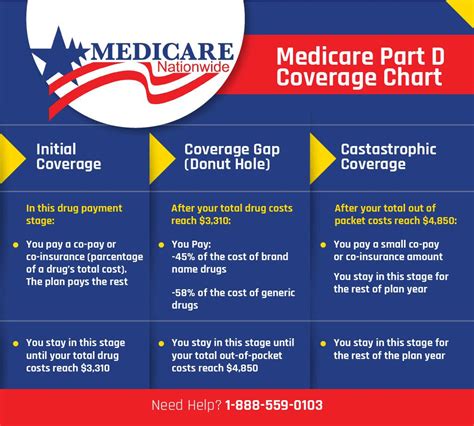
If your plan covers it, your out-of-pocket cost will depend on the plan's tier placement and the new Medicare Part D out-of-pocket cap (which capped beneficiary out-of-pocket spending at $2,000 per year starting in 2025 under the Inflation Reduction Act). For many qualifying patients, that cap effectively means $0 in out-of-pocket cost for the rest of the year once it is hit.
Medicare and weight loss alone
If you do not have established cardiovascular disease and want Wegovy purely for weight loss, Medicare will not cover it. Several bills have been introduced in Congress (the Treat and Reduce Obesity Act, or TROA) that would lift the statutory weight loss exclusion, but as of early 2026 none have passed. Until and unless the law changes, Medicare beneficiaries seeking Wegovy for weight loss must pay cash — typically through the NovoCare $499/month direct program.
Medicaid coverage by state
Medicaid coverage of anti-obesity medications is a state-by-state patchwork. Federal law neither requires nor prohibits state Medicaid programs from covering anti-obesity drugs — each state Medicaid agency makes its own decision about whether to include them on the preferred drug list (PDL).
As of early 2026, approximately 13 states cover at least one GLP-1 medication for obesity through Medicaid, although the specific drugs and the rules vary. States that have historically been more inclusive include:
- California (Medi-Cal) — limited coverage; quantity limits and prior authorization apply
- Massachusetts (MassHealth) — covers Wegovy with prior authorization
- Pennsylvania — covers GLP-1s for obesity with prior authorization
- Delaware — covers with prior authorization
- Virginia — covers GLP-1s for obesity in some plans
- Wisconsin — covers with stricter criteria
- Michigan, Minnesota, New Hampshire, Rhode Island — varying coverage
Most state Medicaid programs do not cover Wegovy for weight loss. Even in states that do, prior authorization is universally required, criteria are typically stricter than commercial plans, and step therapy through cheaper generic anti-obesity medications (such as phentermine) is common. The list of covered states changes from year to year as state budgets and legislative decisions shift, so verify with your state Medicaid agency.
Medicaid managed care organizations (MCOs) such as Molina, Centene, AmeriHealth Caritas, and others operate within the rules set by their state Medicaid agency. If your state covers GLP-1s for obesity, your MCO has to as well, but the prior authorization process and any quantity limits are managed by the MCO.
Tricare
Tricare, the health program for uniformed service members, retirees, and their families, generally does not cover Wegovy when prescribed for weight loss. Tricare's pharmacy formulary, managed by Express Scripts, does cover semaglutide under the Ozempic brand for type 2 diabetes when medical criteria are met, but the obesity indication is generally excluded.
Active duty service members and dependents who are seeking weight loss support through Tricare typically have access to:
- Structured weight management programs through military treatment facilities (MTFs)
- Nutrition counseling and behavioral health support
- Bariatric surgery in qualifying cases
- Some older anti-obesity medications when appropriate
If you are a Tricare beneficiary and want Wegovy for weight loss, your most realistic options are paying cash through the NovoCare direct program at $499/month or ordering online from our partner pharmacy with coupon WEGOVY2026 for 10% off the cash price. If you have established cardiovascular disease and are dual-eligible for Medicare, you may qualify for the Medicare cardiovascular pathway described above.
Prior authorization requirements and how to get approved
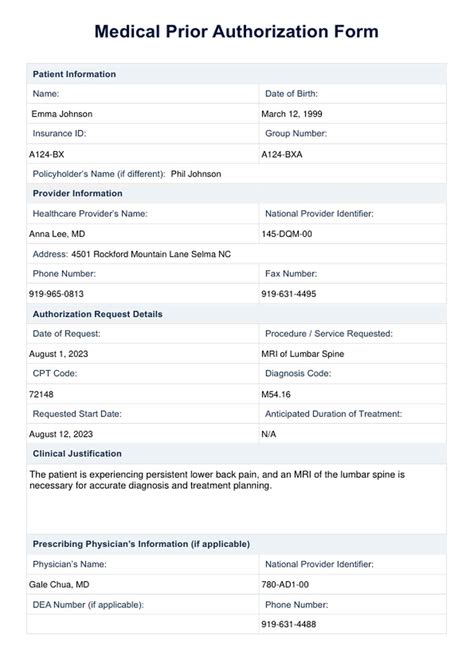
Almost every insurer that covers Wegovy at all requires prior authorization. Prior auth is the insurance company's way of confirming that the medication is being prescribed to a patient who meets the FDA-approved criteria and matches the plan's clinical policy. A complete and well-documented PA request is approved most of the time. An incomplete or rushed one is denied most of the time.
Typical prior authorization criteria
Across major insurers, the prior authorization criteria for Wegovy are remarkably consistent. Most plans require all of the following:
- BMI documentation: A BMI of 30 or higher, OR a BMI of 27 or higher with at least one weight-related comorbidity (hypertension, type 2 diabetes, dyslipidemia, obstructive sleep apnea, or established cardiovascular disease).
- Age: 18 or older for adult plans; some plans cover 12+ for the FDA-approved adolescent obesity indication.
- Prior weight loss attempts: Documentation of at least 6 months of supervised diet and exercise attempts that did not produce sustained, clinically meaningful weight loss. Office notes from the prescriber are usually acceptable; some insurers want enrollment records from a structured program.
- Prescription source: Written by a licensed physician (in some plans, a nurse practitioner or physician assistant working under a physician is acceptable).
- No contraindications: The patient has no personal or family history of medullary thyroid carcinoma, no MEN 2 syndrome, is not pregnant, and has no other absolute contraindication.
- Step therapy (some plans): Documented prior failure or intolerance of another anti-obesity medication (Saxenda, phentermine, Contrave, Qsymia).
- Reauthorization at renewal: Documentation of at least 5% body weight loss after the initial 6-12 month authorization period to continue coverage.
How to maximize the chance of approval
Patients who get approved on the first try usually do a few things right:
- Bring documentation to the prescribing visit. Have records of your weight, BMI, blood pressure, cholesterol, and any prior weight loss programs you have tried. The prescriber can lift this directly into the prior auth submission.
- Ask for the exact diagnosis codes. The PA submission will use ICD-10 codes — typically E66.01 (morbid obesity), E66.9 (obesity unspecified), or Z68 codes for BMI. Make sure your chart reflects accurate codes.
- Document prior attempts in writing. A note in the chart that says "patient attempted Mediterranean diet and walking program for 8 months in 2024 with weight loss of 4 lbs" is much stronger than "patient has tried diet and exercise."
- Reference the cardiovascular indication if it applies. If you have any history of heart attack, stroke, coronary artery disease, or peripheral artery disease, ask your prescriber to document that and reference the cardiovascular indication on the PA. This unlocks an additional pathway, including for Medicare.
- Use a prescriber who has done it before. Endocrinologists, obesity medicine specialists, and busy primary care offices have submitted hundreds of Wegovy PAs and know exactly what each insurer wants. A first-time prescriber may miss details that cause an avoidable denial.
If you are filing the PA yourself or want to verify your prescriber's submission, ask for a copy of the prior auth request before it is submitted. You have the right to see what is being sent on your behalf.
What to do if insurance denies coverage
Denials happen. The most common reasons for an initial denial are missing documentation (especially of prior weight loss attempts), failure to meet the BMI threshold, a step therapy requirement that was not addressed, or the plan simply excluding weight loss medications as a category. The first thing to do after a denial is to find out why.
Every formal denial comes with a written explanation of benefits (EOB) or determination letter that states the specific reason. Read it carefully. If the reason is a fixable documentation gap, your prescriber can resubmit the PA with the missing information. If the reason is a categorical exclusion (the plan does not cover weight loss medications at all), no amount of additional documentation will change that — and you have a different decision to make.
For patients whose plan flatly excludes weight loss medications, the realistic options are:
- Switch plans during open enrollment if you have a choice and another plan covers Wegovy. Verify the formulary first.
- Pursue the cardiovascular indication if you have qualifying cardiovascular disease.
- Pay cash through NovoCare Pharmacy at $499/month — significantly less than retail and the same medication.
- Order online from our partner pharmacy and apply coupon WEGOVY2026 for 10% off the cash price. For many people, this is the fastest path from "denied" to "starting treatment" — shipped to your door.
If you've already been denied or your plan excludes weight loss drugs, ordering online from our partner pharmacy avoids prior authorizations, formulary games, and step therapy entirely. A prescription is still required, which the partner pharmacy coordinates, and coupon WEGOVY2026 takes 10% off the cash price — shipped to your door.
How to appeal a denial
If your denial is based on a fixable issue and your plan does cover Wegovy in principle, you have the right to appeal. Insurance appeals reverse denials more often than most patients expect — especially when the appeal includes complete clinical documentation.
Step 1 — Internal appeal
The first level of appeal is an internal appeal with your insurance company. You generally have 180 days from the date of the denial to file. Your prescriber's office can usually file this on your behalf, and most do it routinely. The internal appeal should include:
- The original prior authorization request
- The denial letter
- A letter of medical necessity from your prescriber, explaining the clinical rationale
- Updated documentation of any criteria that were lacking the first time (BMI records, prior weight loss programs, comorbidity diagnoses)
- Relevant clinical guidelines (American Association of Clinical Endocrinology, Obesity Medicine Association, Endocrine Society) supporting the use of Wegovy in your situation
- If applicable, peer-reviewed evidence from the STEP trials or the SELECT cardiovascular outcomes trial
Internal appeals are typically decided within 30 days for standard cases or 72 hours for expedited cases.
Step 2 — External review
If the internal appeal is denied, you can request an external review. An independent review organization (IRO) — not the insurance company — looks at your case and makes a binding decision. External review is free to the patient and typically returns a decision within 45 days for standard cases. External reviewers reverse insurance denials in about 40% of cases nationally.
Practical appeal tips
- Keep copies of everything. Every letter, every fax confirmation, every phone call (with the rep's name and a reference number).
- Use the magic words. Phrases like "medically necessary," "FDA-approved indication," and "consistent with American Association of Clinical Endocrinology guidelines" carry weight in appeals.
- Get your prescriber engaged early. Letters of medical necessity from the prescriber are often the difference between a successful appeal and a failed one.
- Don't miss deadlines. If you miss the 180-day window for an internal appeal, you typically lose the right to appeal that denial entirely.
- Consider a peer-to-peer review. Many insurers offer prescribers the option to schedule a "peer-to-peer" phone call with a medical director at the insurance company. These calls reverse a meaningful share of denials.
For complex appeals, some patients hire patient advocates or use the free appeals assistance available through state insurance departments. Every state has a department of insurance that handles consumer complaints about denied claims.
How to get Wegovy without insurance
If insurance coverage is not an option — your plan excludes weight loss drugs, your appeal failed, or you do not have insurance at all — Wegovy is still accessible at meaningfully lower prices than retail. The two main routes:
- NovoCare Pharmacy direct self-pay: $499/month for any dose, paid directly to Novo Nordisk's mail-order pharmacy. This bypasses the insurance and PBM system entirely. Requires a valid US prescription. Detailed walkthrough in our cost guide.
- Order online from our partner pharmacy: apply coupon WEGOVY2026 for 10% off the cash price. A prescription is still required, which the partner pharmacy coordinates. The advantage is speed and simplicity — it ships to your door, with no insurance paperwork.
For a full breakdown of cash-pay pricing and how to compare options, see our Wegovy cost guide and savings and coupons guide. For pharmacy and online-ordering specifics, see our where to buy Wegovy guide. If you're considering future oral options, see our Wegovy pill guide. The full Wegovy patient guide covers everything else — how it works, side effects, dosing, results, and how it compares to Ozempic and Zepbound.
Frequently Asked Questions
O seguro cobre o Wegovy?
Depende do seu plano específico. Muitos planos de seguro comercial cobrem agora o Wegovy para doentes que cumpram os critérios médicos (BMI ≥30, ou BMI ≥27 com uma comorbilidade relacionada com o peso), mas um número considerável de planos continua a excluir totalmente os medicamentos de perda de peso. Quase todos os planos que cobrem o Wegovy exigem autorização prévia. A forma mais rápida de descobrir é ligar para o número de apoio ao membro nas costas do seu cartão de seguro e perguntar se o semaglutido (Wegovy) está no seu formulário e quais são os requisitos de autorização prévia.
Que seguro cobre o Wegovy para perda de peso?
Nenhuma seguradora garante cobertura em todos os planos. A UnitedHealthcare, a Aetna, a Cigna, a Anthem e muitos planos Blue Cross Blue Shield cobrem o Wegovy para perda de peso em pelo menos alguns dos seus planos comerciais quando os critérios de autorização prévia são cumpridos. A cobertura é mais comum em planos de grandes empregadores e menos comum em planos individuais de mercado, Medicare e Medicaid. Alguns empregadores autofinanciados excluem explicitamente os medicamentos de perda de peso, mesmo quando a seguradora subjacente os cobriria de outra forma.
A United Healthcare cobre o Wegovy?
Muitos planos comerciais da UnitedHealthcare cobrem o Wegovy com autorização prévia, mas a cobertura varia de plano para plano e sobretudo de empregador para empregador. A UnitedHealthcare coloca tipicamente o Wegovy no Tier 3 (marca não preferencial) e exige documentação do BMI, das comorbilidades e das tentativas anteriores de perda de peso. Os planos UnitedHealthcare Medicare Advantage geralmente não cobrem o Wegovy para perda de peso, mas podem cobri-lo ao abrigo da indicação cardiovascular para doentes elegíveis.
A Aetna cobre o Wegovy?
A maioria dos planos comerciais da Aetna inclui o Wegovy no seu formulário no Tier 3 com autorização prévia. A Aetna exige frequentemente terapia por etapas, o que significa que o doente tem de ter experimentado primeiro outro medicamento de perda de peso coberto (como o Saxenda ou a fentermina) e não ter respondido ou ter tido efeitos secundários inaceitáveis. Os planos de empregador autofinanciados da Aetna podem excluir totalmente os medicamentos de perda de peso.
A Blue Cross Blue Shield cobre o Wegovy?
A Blue Cross Blue Shield não é uma única seguradora, mas sim uma federação de 33 licenciados independentes, pelo que a cobertura varia drasticamente consoante o estado e o plano. Muitos planos BCBS cobrem o Wegovy com autorização prévia, enquanto outros (nomeadamente alguns planos BCBS Massachusetts e BCBS North Carolina em 2024-2025) removeram ou restringiram explicitamente a cobertura de medicamentos de perda de peso. Verifique sempre a entidade BCBS específica que emitiu o seu plano.
O Medicare cobre o Wegovy?
Por lei, o Medicare Part D não pode cobrir medicamentos prescritos exclusivamente para perda de peso. No entanto, depois de a FDA aprovar o Wegovy em March 2024 para a redução de eventos cardiovasculares adversos major em adultos com obesidade e doença cardiovascular estabelecida, o CMS esclareceu que os planos Part D estão autorizados (embora não obrigados) a cobrir o Wegovy para essa indicação cardiovascular específica. Os doentes com obesidade e um historial documentado de enfarte, AVC ou doença arterial periférica podem qualificar-se. A cobertura apenas para perda de peso continua excluída.
O Medicaid cobre o Wegovy?
A cobertura do Medicaid para o Wegovy varia consoante o estado. No início de 2026, cerca de 13 estados cobrem medicamentos GLP-1 para a obesidade através do Medicaid, incluindo Massachusetts, Pennsylvania, Delaware, California (parcial), Virginia e Wisconsin. A maioria dos programas Medicaid estaduais continua a excluir os medicamentos para a obesidade. Mesmo nos estados que os cobrem, a autorização prévia é normalmente exigida e os critérios são mais rígidos do que na cobertura comercial.
O Tricare cobre o Wegovy?
O Tricare geralmente não cobre o Wegovy quando prescrito para perda de peso. O Tricare cobre o semaglutido sob a marca Ozempic para a diabetes tipo 2 quando os critérios médicos são cumpridos, e pode cobrir outras opções anti-obesidade através de programas específicos de gestão do peso. Os militares no ativo inscritos num programa estruturado de gestão do peso através de instalações médicas militares podem ter acesso a opções adicionais.
Como consigo que o seguro cubra o Wegovy?
Primeiro, confirme que o Wegovy está no seu formulário ligando para o apoio ao membro ou consultando os documentos do plano. Segundo, peça ao seu médico para submeter um pedido de autorização prévia que documente o seu BMI, quaisquer condições relacionadas com o peso (hipertensão, diabetes tipo 2, dislipidemia, apneia do sono, doença cardiovascular) e o seu historial de tentativas anteriores de perda de peso (tipicamente 6 meses de dieta e exercício supervisionados). Terceiro, se for recusado, apresente um recurso com documentação adicional. A maioria das recusas é revertida em recurso quando a documentação clínica está completa.
Quais são os critérios típicos de autorização prévia para o Wegovy?
A maioria dos planos exige: um BMI de 30 ou superior, ou de 27 ou superior com pelo menos uma comorbilidade relacionada com o peso; documentação de pelo menos 6 meses de dieta e exercício supervisionados; uma receita de um médico licenciado; ausência de contraindicações, como antecedentes pessoais ou familiares de carcinoma medular da tiroide ou síndrome MEN 2; e o doente tem de ter 18 anos ou mais (ou 12+ para a obesidade em adolescentes nos planos que cobrem a indicação pediátrica). Alguns planos acrescentam terapia por etapas, exigindo primeiro a falha de um medicamento anti-obesidade mais antigo.
Quanto custa o Wegovy sem seguro?
Sem seguro, a opção legítima mais barata é o programa de pagamento a pronto direto ao consumidor da NovoCare Pharmacy a $499 por mês para qualquer dose. Os preços a pronto nas farmácias de retalho rondam normalmente $1,200 a $1,450 por mês. Também pode encomendar online na nossa farmácia parceira e aplicar o cupão WEGOVY2026 para 10% de desconto no preço a pronto pagamento. Consulte o nosso guia de custos para uma análise completa.
Quanto tempo demora a autorização prévia do Wegovy?
As decisões de autorização prévia padrão são normalmente emitidas no prazo de 3 a 14 dias úteis após a submissão. Muitas seguradoras oferecem análises aceleradas para casos urgentes que devolvem uma decisão em 72 horas. Se o seu plano estiver a demorar mais, você ou o seu médico podem solicitar uma análise acelerada. Alguns planos usam agora a autorização prévia eletrónica, que pode devolver decisões no próprio dia quando a documentação de apoio está completa.